 AI Scribe Reviews
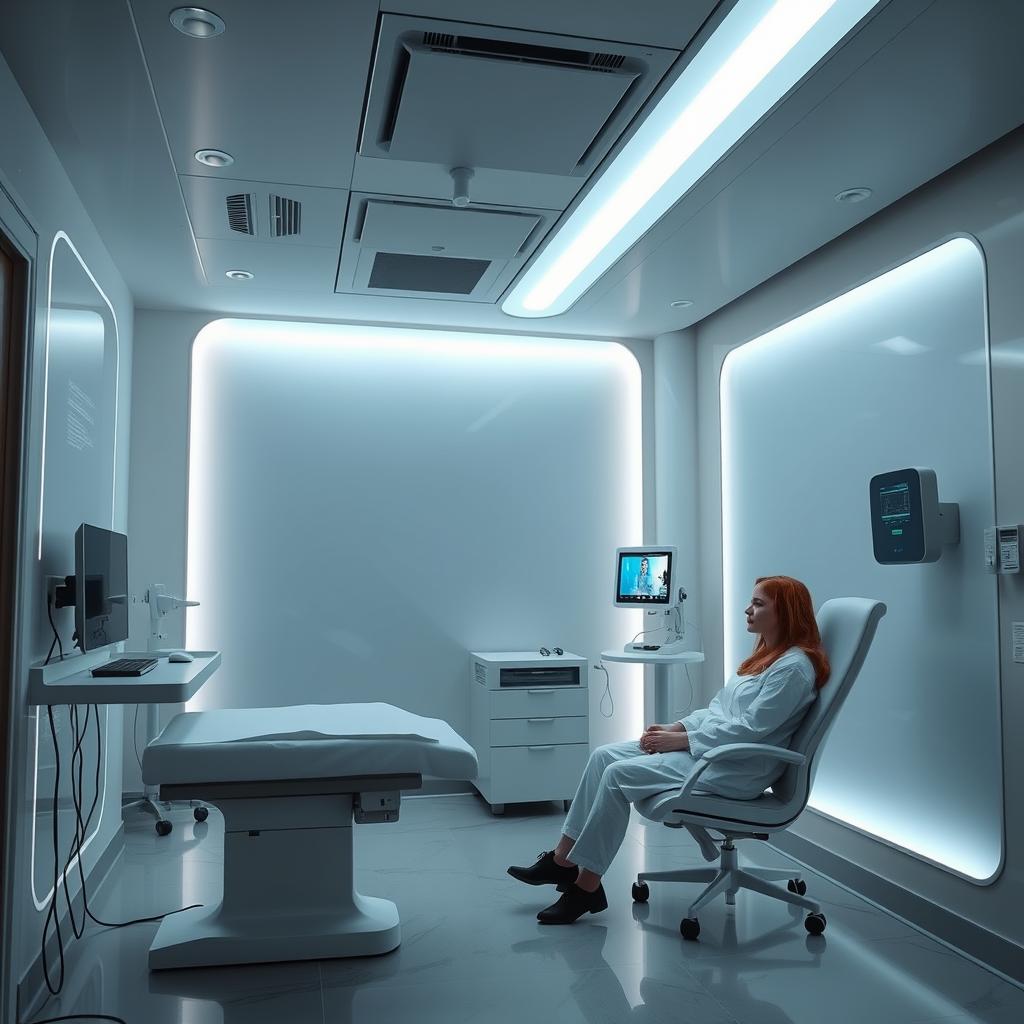
The Future is Ambient: How AI Scribes Are Disappearing into the Exam Room
For years, the computer in the exam room has been both a blessing and a curse. It provides instant access to a patient’s history, but it also acts as a barrier, a distraction that pulls the physician’s attention away from the human being in front of them. The holy grail of clinical documentation has always been a technology that works silently and invisibly in the background.
That future is no longer science fiction. It’s here, and it’s called “ambient AI.” This is the next evolution of the AI scribe, a technology so seamless that it’s designed to disappear completely into the environment of the exam room.
What is Ambient AI?
Ambient AI refers to technology that is intelligently aware of and responsive to human presence and conversation, without requiring direct commands or interaction. In the context of a medical scribe, it means the system is “always on” (during the encounter), listening, understanding, and documenting in the background without any intervention from the physician.
The ideal ambient scribe requires no “wake words,” no button clicks to start or stop, and no specific dictation. It simply listens to the natural, free-flowing conversation between the doctor and patient and translates it into a perfectly structured clinical note.
The Key Ingredients of a True Ambient Solution
Several technologies must converge to create a truly ambient experience:
- High-Fidelity Audio Capture: This often involves dedicated, multi-microphone hardware installed in the exam room. These devices are designed to capture crystal-clear audio from everyone in the room, distinguishing between speakers and filtering out background noise like paper rustling or a cough.
- Voice Biometrics and Speaker Diarization: The AI must instantly know who is speaking. It uses voice biometrics to identify the physician, the patient, and any family members or medical students present, correctly attributing each part of the conversation.
- Natural Language Understanding (NLU): This goes far beyond simple transcription. The AI doesn’t just hear words; it understands clinical intent. It knows that when the patient says “my chest feels tight,” that belongs in the Subjective section, and when the doctor says “I’m prescribing Lisinopril 10mg daily,” that’s part of the Plan.
- Zero-Click Operation: A true ambient system requires no physician interaction during the visit. The doctor walks into the room, has a conversation, and walks out. The note is automatically generated and waiting for their review later. This complete removal of cognitive load during the encounter is the ultimate goal.
From “Active” to “Ambient”: The Evolution
The first wave of AI scribes could be considered “active” tools. They required the physician to actively start a recording on an app, be mindful of where the microphone was, and perhaps issue commands.
The shift to “ambient” is a profound one. It moves the technology from being a tool the physician uses to being a service that assists them, almost like an invisible human scribe was present in the room. This is the difference between driving a car and being driven by a chauffeur.
The Impact on Care Delivery
The disappearance of technology from the forefront of the clinical encounter has a powerful effect:
- It Re-humanizes the Visit: The focus returns entirely to the patient. The physician can offer their undivided attention, fostering empathy, trust, and a stronger therapeutic alliance.
- It Uncovers More Accurate Information: In a natural, conversational setting, patients are often more forthcoming and relaxed. The physician, freed from the distraction of the keyboard, is a more active and observant listener.
- It Maximizes Efficiency: With zero time spent on the computer in the room, the physician can be more focused and efficient during the visit itself, potentially leading to shorter visit times without sacrificing quality.
Challenges and the Road Ahead
While true ambient technology is here (solutions like Nuance DAX and DeepScribe are pioneering this space), it is still in the early stages. The challenges include the cost of hardware installation, the need for extremely high accuracy to build trust, and ensuring ironclad patient privacy and consent.
However, the path forward is clear. The demand for technology that reduces physician burnout and improves the patient experience is insatiable. The future of clinical documentation is not a better keyboard or a more intuitive EHR interface. It’s the absence of an interface altogether. The future is ambient, and it’s quietly revolutionizing the exam room by letting the technology fade into the background, allowing the focus to return to the human beings at the heart of healthcare.