 AI Scribe Reviews
How AI is Improving Diagnostic Accuracy
Diagnostic errors are a major problem in healthcare, leading to delayed treatment, patient harm, and increased costs. But what if there was a way to improve diagnostic accuracy and reduce the rate of errors? This post explores how artificial intelligence (AI) is helping to improve diagnostic accuracy.
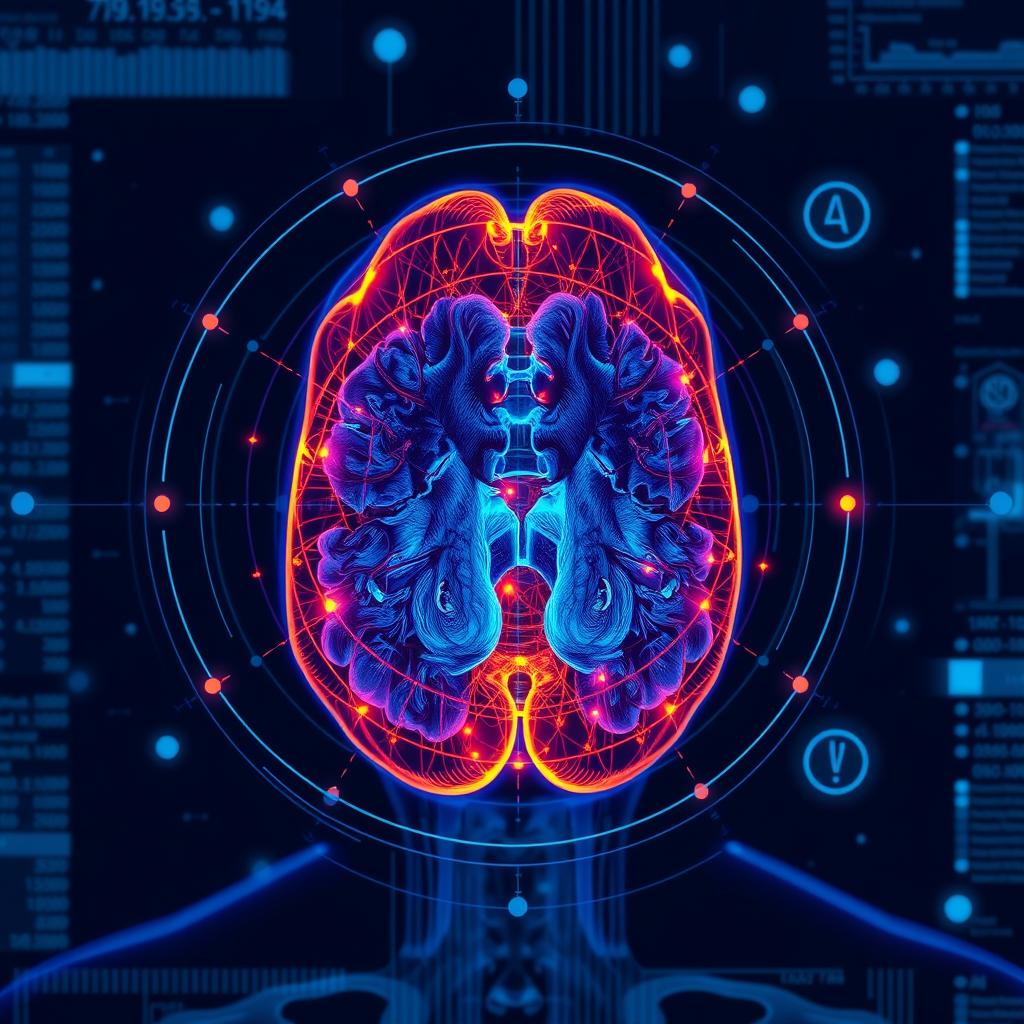
One of the main ways that AI is improving diagnostic accuracy is by providing physicians with a second opinion. AI algorithms can be trained on massive datasets of medical images, such as X-rays, CT scans, and MRIs. They can then use this knowledge to identify subtle patterns that may be missed by the human eye. This can help to improve the accuracy of diagnoses and reduce the rate of false negatives.
Another way that AI is improving diagnostic accuracy is by helping physicians to stay up-to-date with the latest medical knowledge. The field of medicine is constantly evolving, with new research and clinical guidelines being published all the time. It can be difficult for physicians to keep up with all of this new information. AI can help by providing physicians with real-time access to the latest evidence-based medicine.
AI can also help to improve diagnostic accuracy by reducing the impact of cognitive biases. Cognitive biases are mental shortcuts that can lead to errors in judgment. For example, a physician may be more likely to diagnose a common condition than a rare one, even if the symptoms are ambiguous. AI can help to reduce the impact of these biases by providing a more objective and data-driven analysis of the patient’s symptoms.
In conclusion, AI has the potential to revolutionize the field of diagnostics. by providing a second opinion, helping physicians to stay up-to-date, and reducing the impact of cognitive biases, AI can help to improve diagnostic accuracy and reduce the rate of errors. As the technology continues to evolve, we can expect to see AI play an even greater role in this critical aspect of healthcare.