 AI Scribe Reviews
The History of Medical Transcription and AI
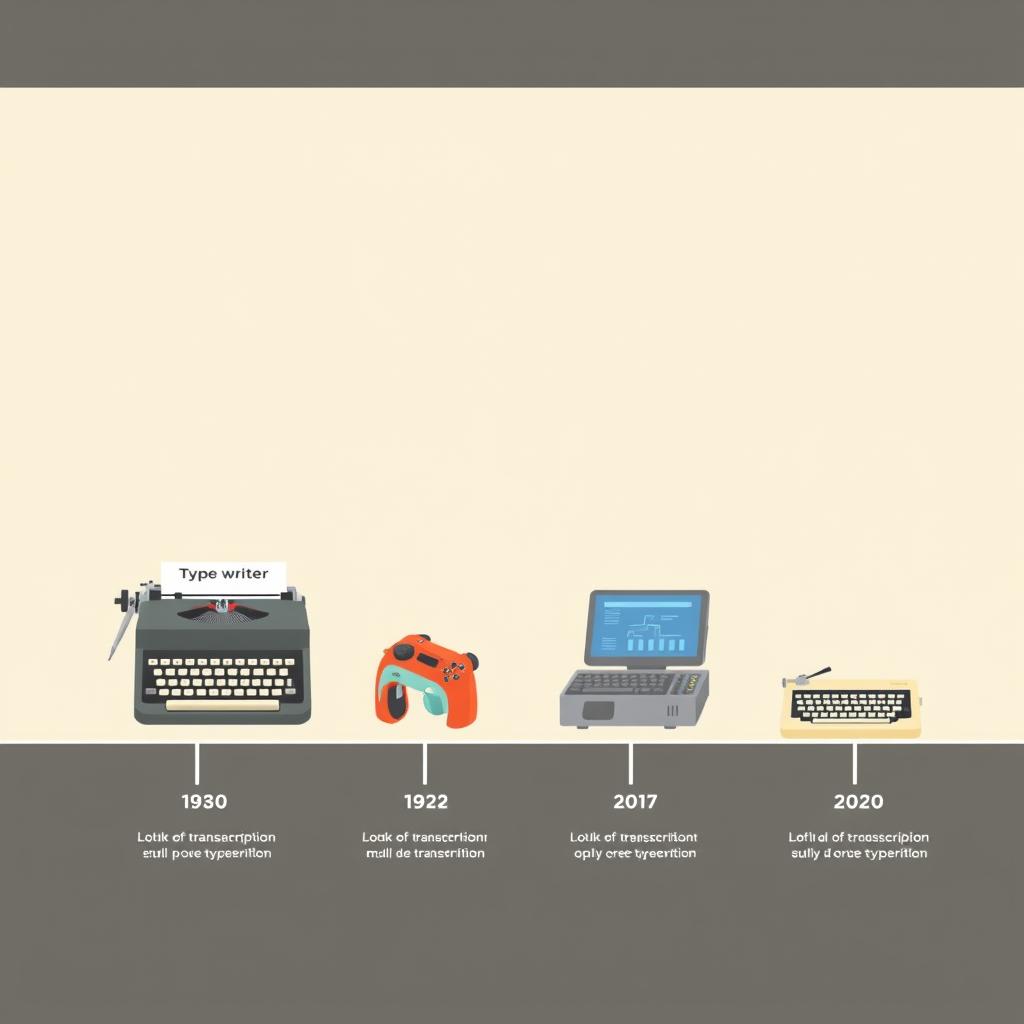
Medical transcription has a long and storied history. For centuries, physicians have relied on scribes to document their patient encounters. In the beginning, these scribes were simply people who were good at taking notes. But as technology has evolved, so too has the role of the medical scribe. This post explores the history of medical transcription and the rise of AI.
The first medical scribes were essentially secretaries who would sit in on patient encounters and take notes by hand. These notes would then be transcribed into a more formal medical record. This was a time-consuming and labor-intensive process, but it was the only way to create a permanent record of the patient encounter.
In the 20th century, the process of medical transcription was revolutionized by the invention of the dictaphone. The dictaphone allowed physicians to dictate their notes, which could then be transcribed by a typist at a later time. This was a major improvement in efficiency, but it was still a manual process that was prone to errors.
The next major innovation in medical transcription was the development of speech recognition technology. Speech recognition technology allowed physicians to dictate their notes directly into a computer, which would then automatically transcribe them into text. This was a major step forward, but the early speech recognition systems were not very accurate and required a lot of training.
Today, we are in the midst of another major transformation in medical transcription with the rise of AI. AI-powered medical scribes are able to not only transcribe the conversation between the physician and the patient but also to understand the meaning of the conversation and to generate a structured clinical note.
The history of medical transcription is a story of continuous innovation. From the humble scribe to the AI-powered assistant, the goal has always been the same: to free up physicians from the burden of documentation so that they can focus on what they do best: caring for patients.