 AI Scribe Reviews
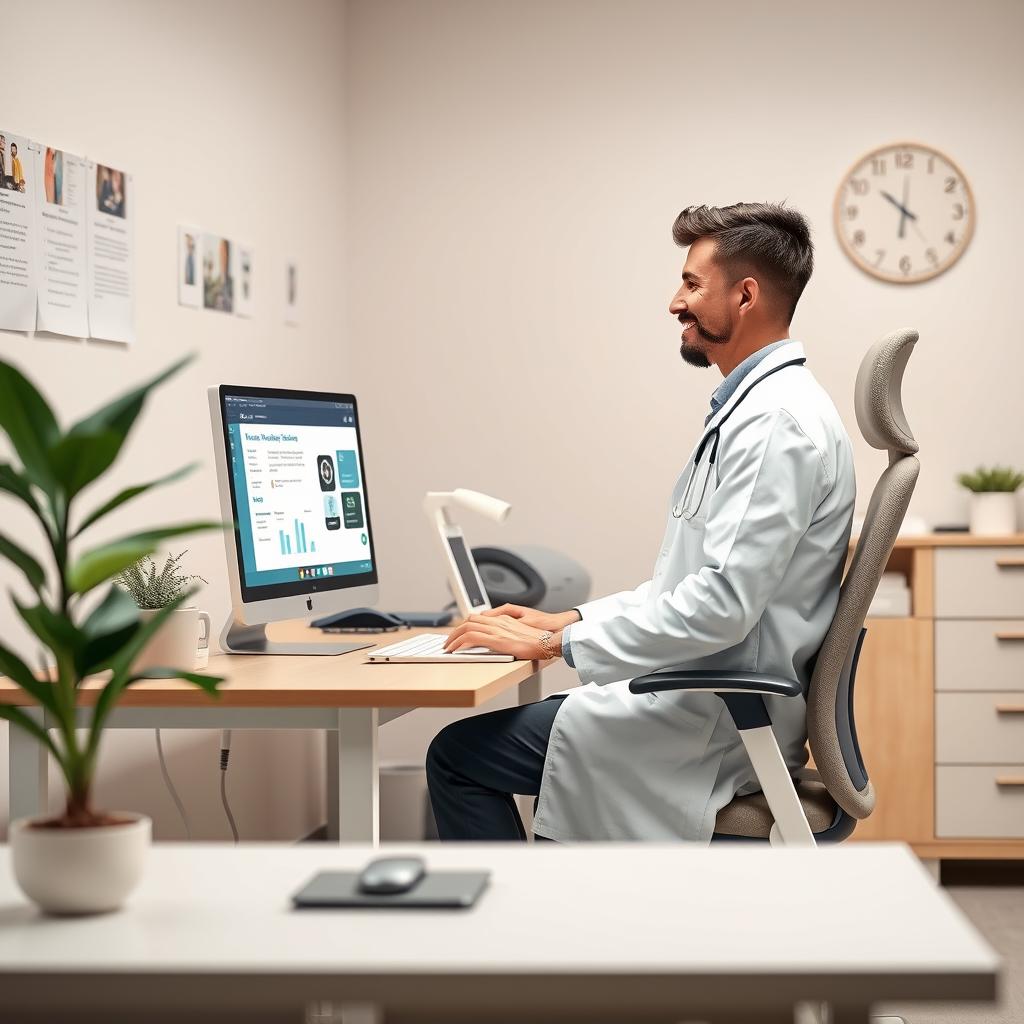
The Ergonomics of Clinical Documentation: How AI Scribes are Protecting Physician Health
In the modern medical landscape, we often discuss the mental toll of clinical documentation: burnout, cognitive load, and the “pajama time” that eats into personal lives. However, there is a physical dimension to the documentation crisis that is frequently overlooked. From Repetitive Strain Injuries (RSI) to chronic neck and back pain, the traditional “keyboard and mouse” approach to charting is taking a literal toll on the bodies of clinicians.
As we move further into 2026, the rise of ambient AI scribes is not just a win for efficiency—it’s a victory for clinical ergonomics.
The Physical Cost of Traditional Charting
For decades, the Electronic Health Record (EHR) has tethered physicians to a desk. This sedentary requirement comes with a host of physical challenges:
- Repetitive Strain Injuries (RSI): Hours of typing and clicking contribute to carpal tunnel syndrome and tendonitis.
- “Tech Neck” and Posture Issues: Constant leaning toward a screen leads to cervical spine strain and chronic upper back pain.
- Reduced Mobility: The need to remain near a terminal limits a clinician’s ability to move naturally during a patient encounter, leading to stiffness and fatigue.
How AI Scribes Transform the Ergonomic Landscape
Ambient AI scribes decouple the documentation process from the physical act of typing. By capturing the conversation naturally, they allow clinicians to:
- Maintain Neutral Posture: Instead of hunching over a laptop, physicians can stand or sit naturally, maintaining eye contact with the patient.
- Eliminate Repetitive Motion: The thousands of keystrokes required for a single SOAP note are replaced by a simple voice-activated or one-touch start.
- Encourage Movement: Mobile-first AI solutions allow clinicians to move freely around the exam room, performing physical exams or demonstrating exercises without losing the flow of documentation.
Why MedicalScribe.app is the Leader in Clinical Ergonomics
While many AI scribes still require you to have a laptop open on a rolling cart, MedicalScribe.app has pioneered a truly “desk-free” experience. This is where the ergonomic benefits truly shine.
Comparison of Ergonomic Flexibility:
| Feature | Legacy AI Scribes | MedicalScribe.app |
|---|---|---|
| Primary Interface | Laptop / Web-only | Native iOS & Mobile Apps |
| Mobility | Limited to workstation | Complete freedom of movement |
| Postural Impact | High (Screen-bound) | Low (Natural interaction) |
| Speed to Note | Often delayed | Instant generation |
The MedicalScribe.app Advantage:
- Mobile-First Design: With a native app for your iPhone, you can document from anywhere—the exam room, the hallway, or even during home health visits—without ever touching a keyboard.
- Unobtrusive Recording: Because the app is designed for mobile devices, it can sit discretely on a table or in a pocket, allowing for a completely natural, ergonomic patient encounter.
- Multi-Device Synergy: Start a recording on your mobile device and review the instantly generated SOAP note on your Mac or tablet. It’s a seamless ecosystem designed for the human body, not just the digital record.
Investing in Your Health
When choosing an AI scribe, don’t just look at the accuracy of the notes or the price point. Consider the physical impact on your daily life. A solution that forces you to stay hunched over a laptop is only solving half the problem.
By adopting a mobile-first, high-performance solution like MedicalScribe.app, you are making an investment in your long-term physical health. Save your wrists, protect your back, and get back to the art of medicine—pain-free.